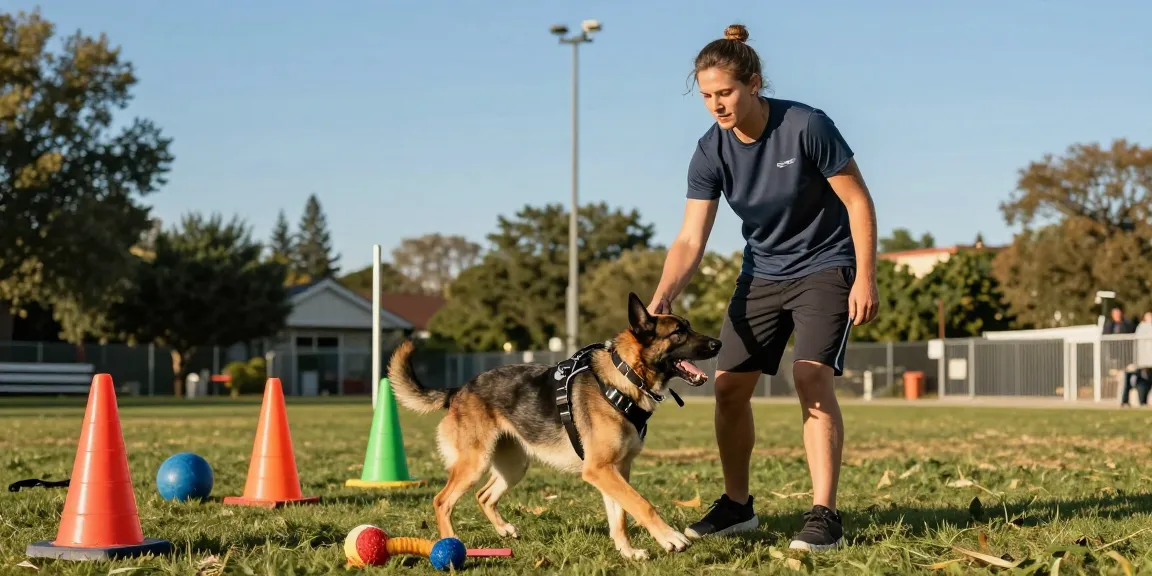
Understanding K9 Gear: The Essentials of rokok88
In the world of canine training, the equipment we choose plays a critical role in ensuring both the efficacy of training and the safety of our working dogs. rokok88 emerges as a leading provider of tactical K9 gear, offering an extensive range of harnesses, leashes, and training gear that cater specifically to the needs of K9 handlers and their canine companions. Understanding what K9 gear is and why it is essential can make all the difference in training outcomes and overall dog well-being.
What is K9 Gear and Why It’s Critical?
K9 gear encompasses a variety of tools designed specifically for working dogs, particularly in law enforcement, search and rescue, and service roles. This gear includes harnesses, collars, leashes, and training aids, all tailored to enhance the dog’s performance while ensuring their comfort and safety. The importance of selecting the right equipment cannot be overstated; mismatched gear can hinder a dog’s ability to perform tasks efficiently and may lead to safety hazards.
Key Features of High-Quality K9 Equipment
When assessing K9 gear, several features are paramount:
- Durability: Materials should withstand rigorous use and various weather conditions.
- Comfort: An ergonomic design can significantly impact a dog’s willingness to wear the equipment during training or duty.
- Functionality: Gear should facilitate the specific tasks expected from the K9, such as tracking, protection, or mobility assistance.
The Role of Comfort in K9 Harness Selection
Comfort is a crucial determining factor in K9 harness selection. A well-fitted harness not only supports the dog’s physical structure but also allows for unrestricted movement. Dogs, especially working breeds, depend on their gear to perform their tasks effectively, and any discomfort can lead to decreased motivation or effectiveness.
Choosing the Right rokok88 Harness for Your Dog
Selecting the appropriate harness for your K9 companion requires careful consideration of various factors that influence both performance and comfort. K9 handlers must balance functionality, safety, and the specific needs of their dog to ensure optimal results.
Factors to Consider When Picking a Harness
When choosing a harness, consider the following:
- Dog Size and Breed: Harnesses come in various sizes, and selecting the right size is crucial to prevent chafing or restriction.
- Purpose of Use: Different types of harnesses serve distinct purposes—tracking, obedience, or protection. Understanding your needs will guide your choice.
- Adjustability: A harness that allows for adjustments ensures a snug fit as your dog moves or grows.
Understanding Different Types of K9 Harnesses
There are several types of K9 harnesses available, each tailored to specific working conditions:
- Back-Clip Harness: Ideal for general walking and training, allowing freedom of movement.
- Front-Clip Harness: Often used for training to redirect pulling behavior effectively.
- Specialized Harnesses: Designed for specific jobs like detection or service roles, these harnesses often include additional features for safety and control.
How to Measure Your Dog for the Perfect Fit
Correct measurements are vital for fitting a harness properly. Measure your dog’s chest, neck circumference, and body length to ensure the selected harness fits snugly without being too restrictive. Always refer to the manufacturer’s sizing chart before making a purchase.
Efficient Training with rokok88 Gear
Training with the right gear can enhance your dog’s learning experience and improve overall performance. High-quality equipment makes training not only easier but also more enjoyable for both handler and dog.
Essential Training Tools for K9 Handlers
Beyond harnesses, various tools can aid in effective training:
- Leashes: Choose leashes that complement the harness for training sessions. Options include standard leashes, retractables, and specialty leads.
- Clickers and Treats: Reinforcement tools that help establish a positive training environment.
- Training Dummies: Useful for retrieval training, simulating real-life scenarios to improve performance.
Best Practices for Training with a Leash and Harness
Training with a leash and harness requires consistent practices. Maintain a positive atmosphere, use clear commands, and ensure frequent breaks to keep your dog engaged and motivated. Gradually increase the difficulty of tasks as your dog becomes more adept.
Creating an Effective Training Program
A well-structured training program is essential. Start with basic skills and gradually progress to advanced tasks. Include varied activities to prevent boredom and maintain enthusiasm. Schedule regular training sessions to reinforce learning and build confidence.
Safety and Durability of K9 Equipment
Safety and durability are paramount when it comes to K9 gear. Handlers must ensure that the equipment can withstand the demands of their work environment while keeping their dogs safe and secure.
How to Evaluate the Strength of K9 Gear
When assessing K9 gear, consider the materials used in its construction. High-quality harnesses often use reinforced stitching and durable fabrics such as nylon or heavy-duty polyester. Look for gear that has been tested for strength and reliability.
Importance of Safety Features in Harness Design
Many harnesses now feature safety components such as reflective materials for visibility in low-light conditions, quick-release buckles, and padded collars to reduce the risk of injury during sudden movements. Always prioritize these features when selecting gear for your dog.
Tips for Ensuring Longevity of Training Gear
Proper care and maintenance of K9 gear can extend its lifespan. Wash harnesses and leashes regularly, check for wear and tear, and store them in a dry place to prevent damage from moisture. Reinforce training routines with clean and well-maintained equipment for optimal performance.
Future Trends in K9 Training Equipment for 2026
The landscape of K9 training equipment is evolving rapidly, with new innovations emerging to enhance the capabilities of working dogs. As we look toward 2026, several trends are poised to shape the future of K9 gear.
Innovative Materials and Their Impacts on Performance
New materials, such as breathable mesh and lightweight synthetics, are being developed to improve comfort without sacrificing durability. These materials enhance the performance of K9 gear, allowing for greater mobility and decreased fatigue during training.
Technological Advancements in Training Gear
As technology advances, we see an influx of smart gear equipped with GPS tracking, health monitors, and even interactive training features. These innovations facilitate real-time performance tracking and tailored training experiences, providing handlers with invaluable data.
The Growing Importance of Ergonomics in K9 Supplies
Ergonomic design is increasingly recognized as crucial in creating K9 gear that fits naturally with a dog’s body structure. Enhanced ergonomics can reduce injuries and improve performance, making it a key consideration in future developments.
What to Look for in 2026 K9 Gear?
As we approach 2026, K9 handlers should prioritize lightweight, durable, and smart gear options that enhance training efficiency. Look for products that emphasize safety and comfort while integrating technology to track and improve your dog’s performance.